Environment & Housing
Create the perfect home for your hamster
Cage Types Comparison
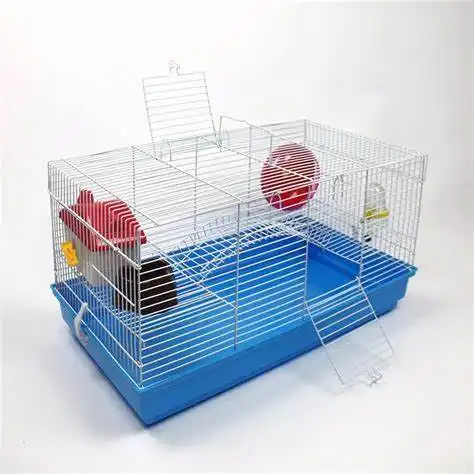
Wire Cages
Pros:
- Good ventilation
- Easy to clean
- Good visibility
- Attachable accessories
Cons:
- Bar spacing concerns
- Limited burrowing depth
- Draft exposure
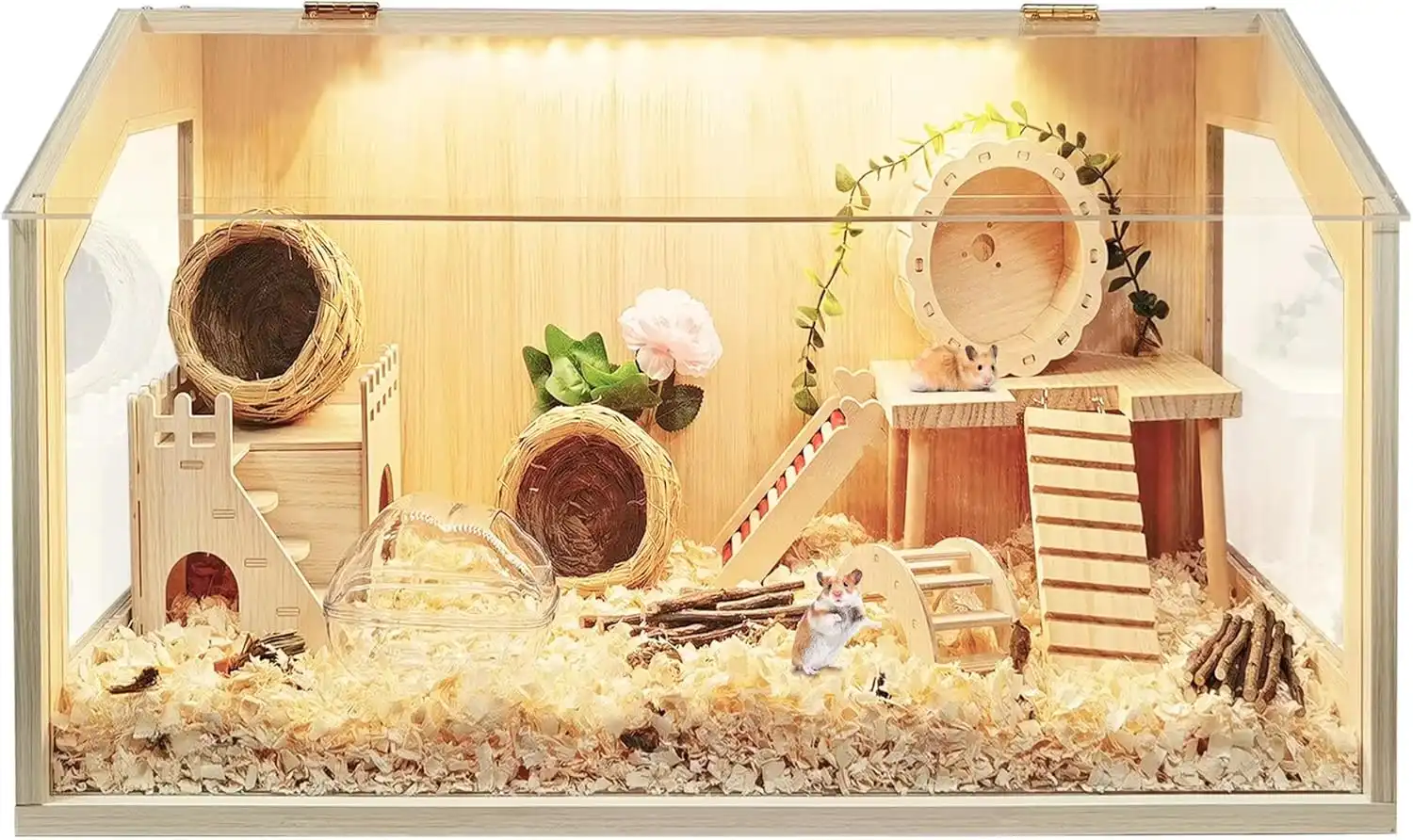
Glass Tanks
Pros:
- Deep bedding possible
- Escape-proof
- Clear viewing
- Draft protection
Cons:
- Heavier weight
- Less ventilation
- More expensive
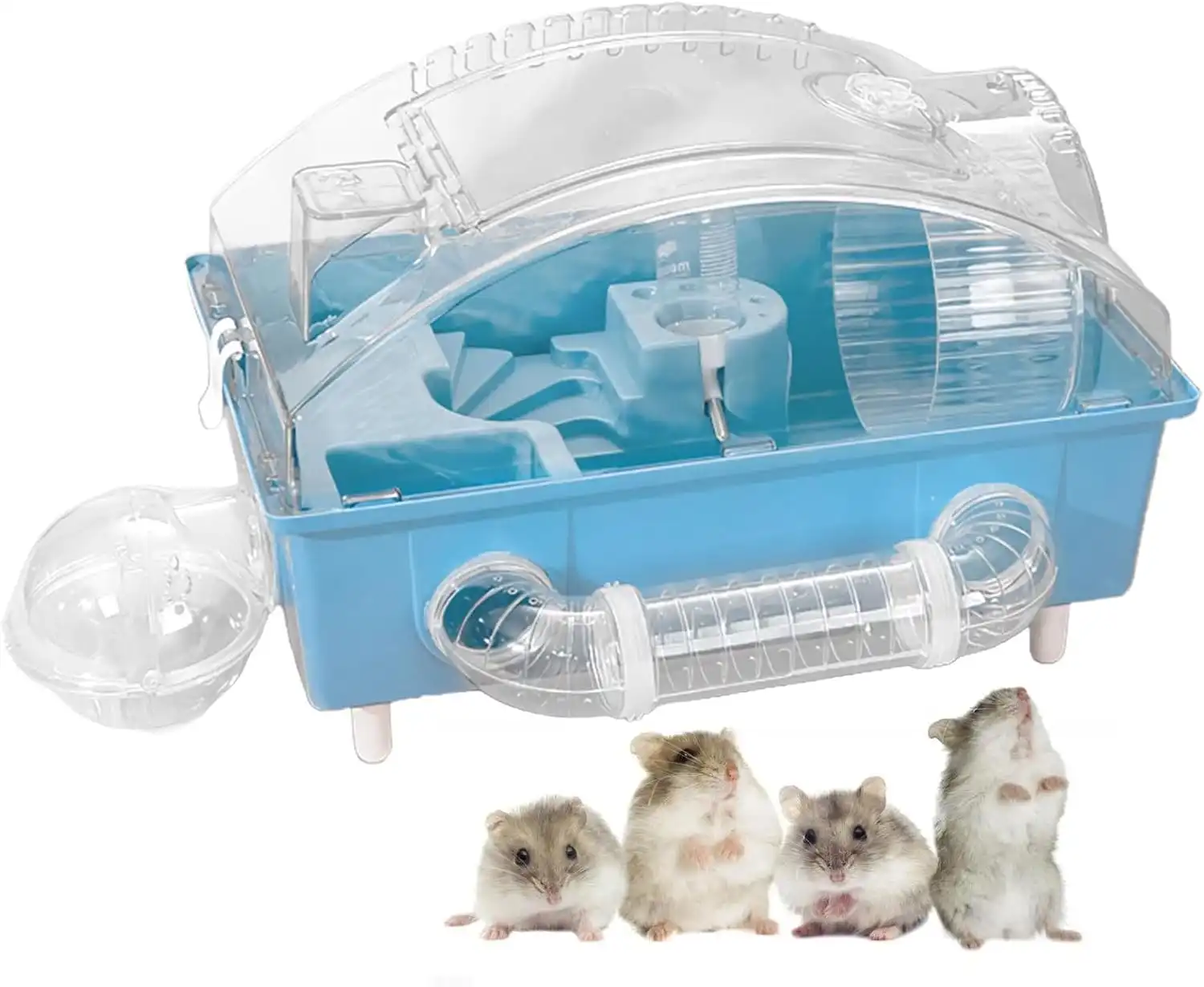
Plastic Habitats
Pros:
- Lightweight
- Modular options
- Easy to clean
- Affordable
Cons:
- Chewing concerns
- Limited size options
- Less durable
Basic Infrastructure Requirements
Space Requirements
- Minimum 450 square inches floor space
- At least 6 inches bedding depth
- Multiple levels (optional)
- Exercise area
Essential Equipment
- Appropriate-sized wheel
- Food and water stations
- Hideouts and tunnels
- Sanitation corner
Safety Features
- Secure locks/latches
- Proper bar spacing
- Non-toxic materials
- Escape-proof design
Bedding Guide
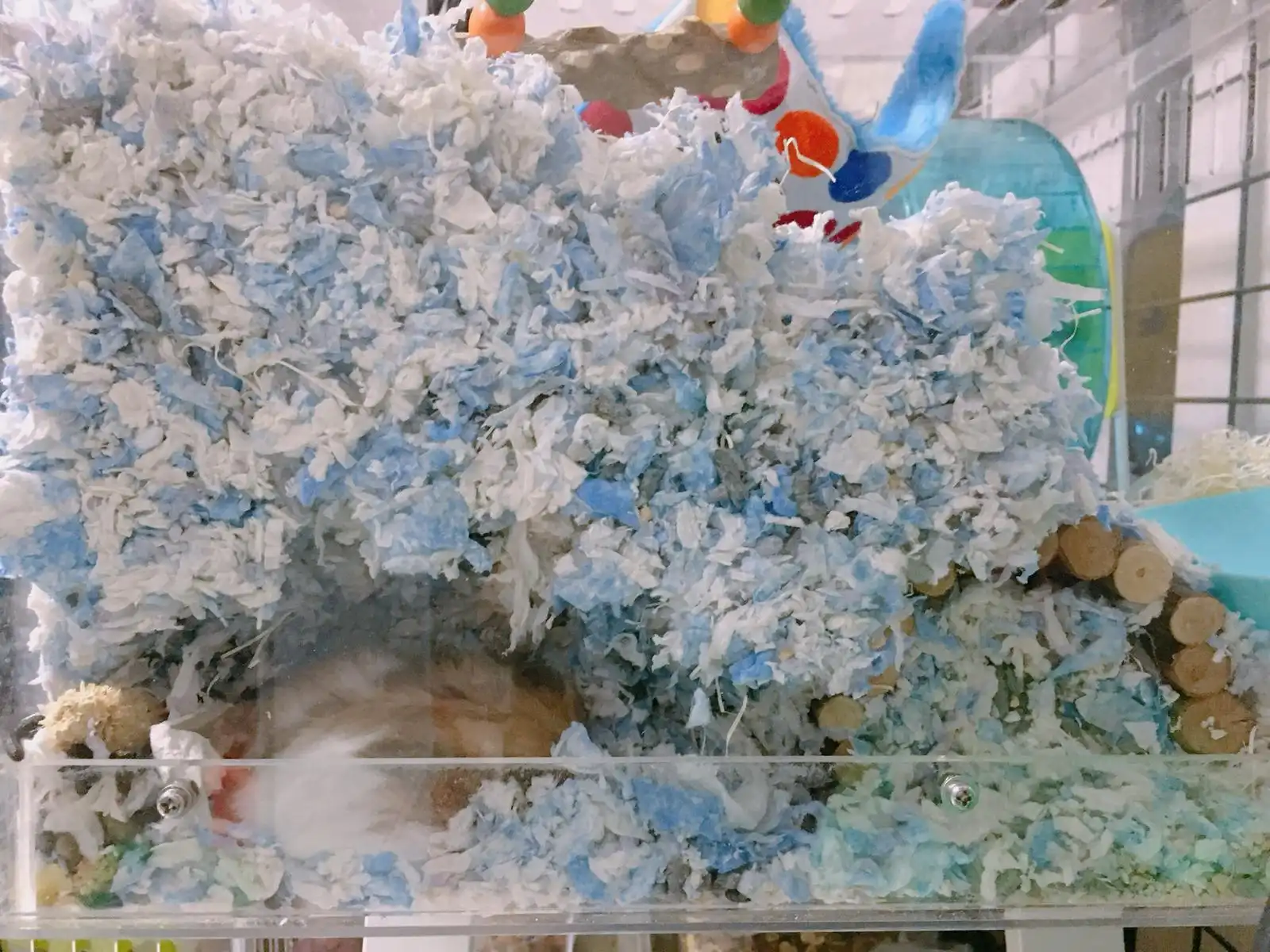
Paper-Based
- Highly absorbent
- Dust-free
- Safe if ingested
- Good for burrowing
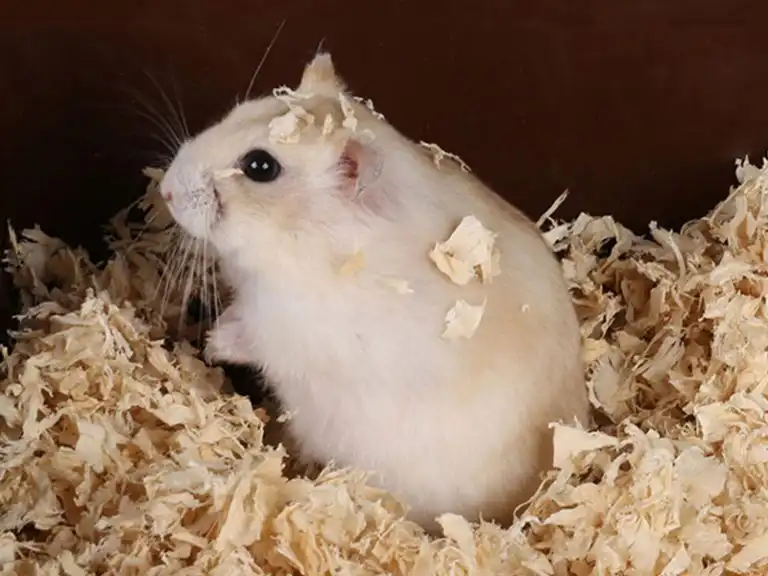
Wood Shavings
- Natural material
- Good odor control
- Cost-effective
- Avoid pine/cedar
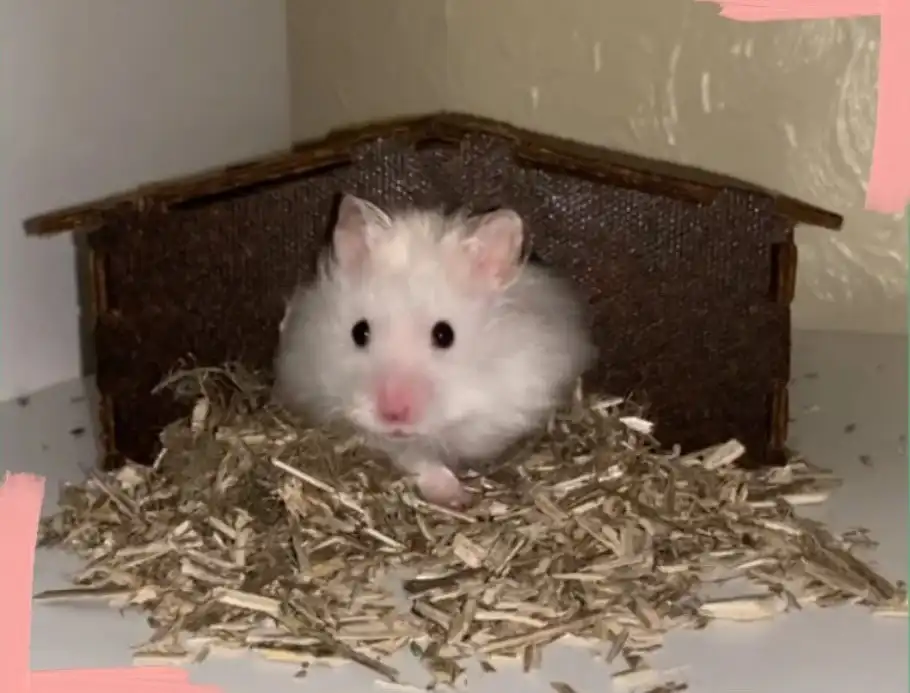
Hemp/Natural Fiber
- Eco-friendly
- Highly absorbent
- Low dust
- Biodegradable
Temperature & Humidity Control
Temperature Guidelines
Ideal Range: 65-75°F (18-24°C)
- Avoid direct sunlight
- Keep away from drafts
- Monitor daily
- Provide cooling options in summer
Humidity Control
Ideal Range: 40-60%
- Use dehumidifier if needed
- Ensure proper ventilation
- Regular bedding changes
- Monitor for condensation